
11 KiB
title, source, author, published, created, description, tags
| title | source | author | published | created | description | tags | ||
|---|---|---|---|---|---|---|---|---|
| 7 Productivity Hacks I Stole From a Principal Software Engineer | https://code.likeagirl.io/7-productivity-hacks-i-stole-from-a-principal-software-engineer-6a8825157198 |
|
2024-10-15 | 2024-10-29 | Have you ever crossed paths with a senior or principal software engineer whose work style seems almost magical? Imagine someone who effortlessly transforms complex challenges into elegant solutions… |
|
Golden tips and tricks that can make you unstoppable
[

[

](https://code.likeagirl.io/?source=post_page---byline--6a8825157198--------------------------------)
Have you ever crossed paths with a senior or principal software engineer whose work style seems almost magical?
==Imagine someone who effortlessly transforms complex challenges into elegant solutions with just a click, brainstorms ideas at lightning speed, or writes code as if their mind is seamlessly integrated with an intelligent assistant.==
Witnessing such mastery in action can be inspiring and enlightening, revealing the secrets behind their exceptional performance. Discover what makes these top-tier engineers stand out and how you can harness their techniques to elevate your career.
I was lucky to work alongside a few such great people, and I did not miss the golden opportunity to observe and figure out their secret sauce. Believe me, it was like a masterclass in productivity.
Here are the seven hacks I learnt from the ones who operate on a whole different level:
1. The Art of Saying No

Image by Andrew Martin from Pixabay
One of their biggest strengths? Context switching with purpose.
They don’t get sucked into every little task. They know when to focus, when to shift gears, and, most importantly, when to say “no.”
With 13 Slack channels buzzing for their attention, they don’t let the noise dictate their day. Instead, they prioritize like pros.
When something doesn’t need immediate attention, it goes on their to-do list. But if it’s quick and important, they knock it out right then and there.
It’s all about choosing when to engage and when to move on.
2. The Perfect Setup
Ever notice how they never seem to struggle with development setup issues?

Photo by Nubelson Fernandes on Unsplash
That’s because they’ve invested time into creating the perfect environment. Their IDE, terminal, note-taking tools—everything is custom-tailored to their workflow. It's like sharpening their saw and keeping it ready to cut the wood in a shot.
They don’t run into setup errors or linting problems. Why? Because they spent an extra few minutes configuring everything perfectly from the start.
It’s that upfront effort that saves them hours down the line. Not only that, but even their setup, like the mouse, the keyboard, the number of secondary monitors, the orientation of each monitor, and all the other extra peripherals, everything would have been carefully tailored by them to make their mind and body work the best. It’s not about using the most expensive or the best. It’s about using and keeping what works best for them.
3. Shortcuts Are King

Auto-generated by Bing
We all love shortcuts, but these engineers take it to the next level, optimizing everything — from keyboard shortcuts to custom command-line aliases. Even small tasks like:
- Having 100+ aliases for simple commands like :
git status to --> gsor kubectl get pods to -> kgp
2. Or assign a meaningful name to each new bookmark you add.
3. Or instead of bookmarking every new page that comes to you, understand the pattern and bookmark the main one. Instead of 50 bookmarks, they rely on five core ones and have a system to find the rest when needed
4. Or having the shortcuts of your favourite IDE on tips.
5. Even using a Keyboard instead of a mouse/trackpad.
6. Regarding recurring queries or tasks, they don’t rely on memory — they rely on patterns.
All these habits seem pretty trivial, but this is where the difference lies. Most engineers stay stuck in this daily mundane chaos and lose time and energy, which slows them down. However, shaving off a few seconds and a few joules of mental energy from every action you take compounds very well over time.
4. Building a second brain
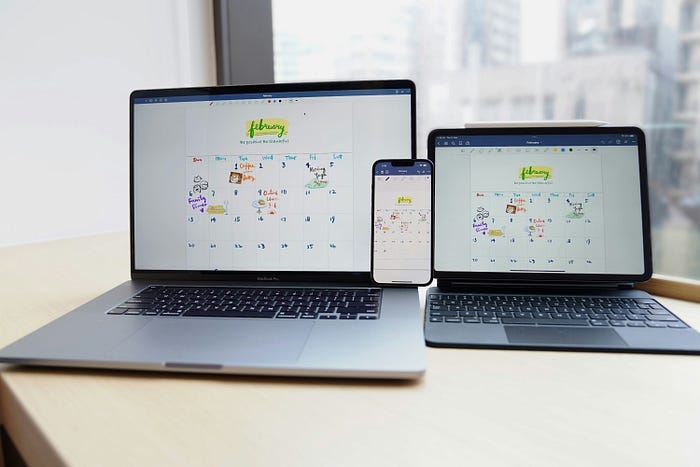
Photo by GoodNotes 5 on Unsplash
Every senior engineer I’ve worked with has a solid note-taking system, and while their choice of app varies, the app itself isn’t the key—it’s the framework they’ve built. I have seen people using Apple Notes, OneNote, Obsidian, Google Keep, and even a Git repo. They all have one thing in common: a structured system that makes searching and adding notes effortless.
It’s not about the tool but the method. Their notes aren’t random scribbles — they’re organized, categorized, and easily searchable. Need to find something from a meeting last month? It’s right there, ready to be retrieved in seconds.
This structured note-taking becomes their second brain. Whether it’s brainstorming or problem-solving, their notes are the backbone of their productivity. The secret isn’t just writing things down; it’s building a framework that makes finding and using those notes quick and efficient.
5. Automate Everything

Auto-Generated by the author using Dall-E
If there’s a task that can be automated, trust me, they’ve probably already done it. They hate manual work.
Whether it’s deployments, testing, or even sending routine emails — automation is their default mode of thinking. Their brains constantly keep asking, “How can I make this take less effort?”
I once met someone who took this to an unexpected level — he automated receiving the daily snack and lunch menu emails at the office. Why? Just to avoid a few extra clicks to get the same information. Yes, they’re that committed to cutting down effort.
You might even sit down for coffee with them, and they’ll suggest ways you could automate your coffee-making workflow. That’s the level of thinking they operate at.
And it’s not just for fun — precisely this mindset makes them so effective at work. They see automation opportunities everywhere, from the most minor tasks to the most extensive systems. Once they get an idea, their lightning-fast operational speed ensures they can execute it, often before you’ve even figured out how to do it the “normal” way.
6. Seamless Multi-tasking

Auto-generated by the author using Dall-E
Time is precious for everyone, but it's like gold dust for a principal software engineer. As you climb the career ladder, so does the count of meetings on your calendar. And let’s not forget about the 13 buzzing Slack conversations, quarterly planning meetings, and the occasional fire to put out. That’s the daily battlefield of a principal engineer.
I had a glimpse at the calendar of one such legend, and — it looked like an a ==buffet of back-to-back meetings==. Finding a full day where all those meetings could actually be attended? Impossible. In this scenario, squeezing multiple tasks into a rare one-hour free window can only be a superpower. But wait, isn’t multitasking overrated? How do they manage to stay so productive?
Here’s where the secret sauce lies: multi-screen setups.
I once scheduled a quick call with a senior staff engineer to discuss an issue. As I awkwardly toggled between my terminal, IDE, and browser window, one by one, he casually ==dropped a bomb of wisdom:==
“How do you even work like that? It’s so inefficient!”
Confused, I watched him seamlessly pull up multiple windows side-by-side, working in parallel on the same screen. No more flipping back and forth, wasting time and mental energy. It was like unlocking a new level of efficiency — saving me seconds, cognitive bandwidth, and probably the rest of my life from unnecessary frustration.
7. Decluttered Digital Space

Photo by James McKinven on Unsplash
One thing I’ve learned about people and their habits is that how they handle minute-to-minute tasks reflects their mental state. One key attribute that sets senior engineers apart is their exceptional mental clarity.
But here’s the thing: that mental clarity doesn’t magically appear overnight; it’s honed over years of practice.
How do they achieve it? By keeping a close watch on everything that could cause mental clutter.
- Got 100+ Chrome tabs open? Not on their watch! It’s like having a hundred open mental threads that constantly force the subconscious mind to switch context. They start a task, open only the necessary tabs, and quickly close them once they’re done. This way, they maintain control over context switching with their conscious mind.
- Whenever they download a new document or file, it meets its fate within minutes. It either gets neatly classified and stored or swiftly sent to the digital bin.
- And then there’s their inbox — clean and organized. I’ve seen multiple staff and senior engineers who prioritize keeping their emails in check. Unread emails? Rare. Important ones? Starred and tackled immediately. Everything else? Archived or deleted without a second thought.
In their digital world, less truly is more.